
Why Secure GPU Decommissioning Matters
GPUs are high-value, scarce and delicate. Mishandling risks bent PCIe edge connectors, ESD damage and reduced resale value. They sit close to data paths and management planes, so weak controls can trigger security or compliance breaches. WEEE, GDPR and contract terms still apply even if the GPU itself holds no user data.
A documented process protects value, security and uptime across racks, hosts, storage and baseboard management controllers (BMCs). For wider context on impact and disposal routes, see the environmental impact of IT waste and IT hardware disposal options explained. This guide walks the workflow from audit to resale.
Pre-Project Audit and Planning
Start with an intake to capture evidence for warranty checks, testing and resale:
- Server and GPU serials, firmware and vBIOS versions
- Purchase provenance and active support entitlements
- Host specifications, slot mapping and any NVLink/bridge details
Run a site survey to reduce risk and downtime:
- Define power-down windows, access routes, lift or cage needs and ESD controls
- Design the chain of custody: handover points, seal numbers and sign-off templates
- Prepare RAMS (Risk Assessment and Method Statement) and a simple Gantt
If you want end-to-end support, review our ITAD services for businesses.
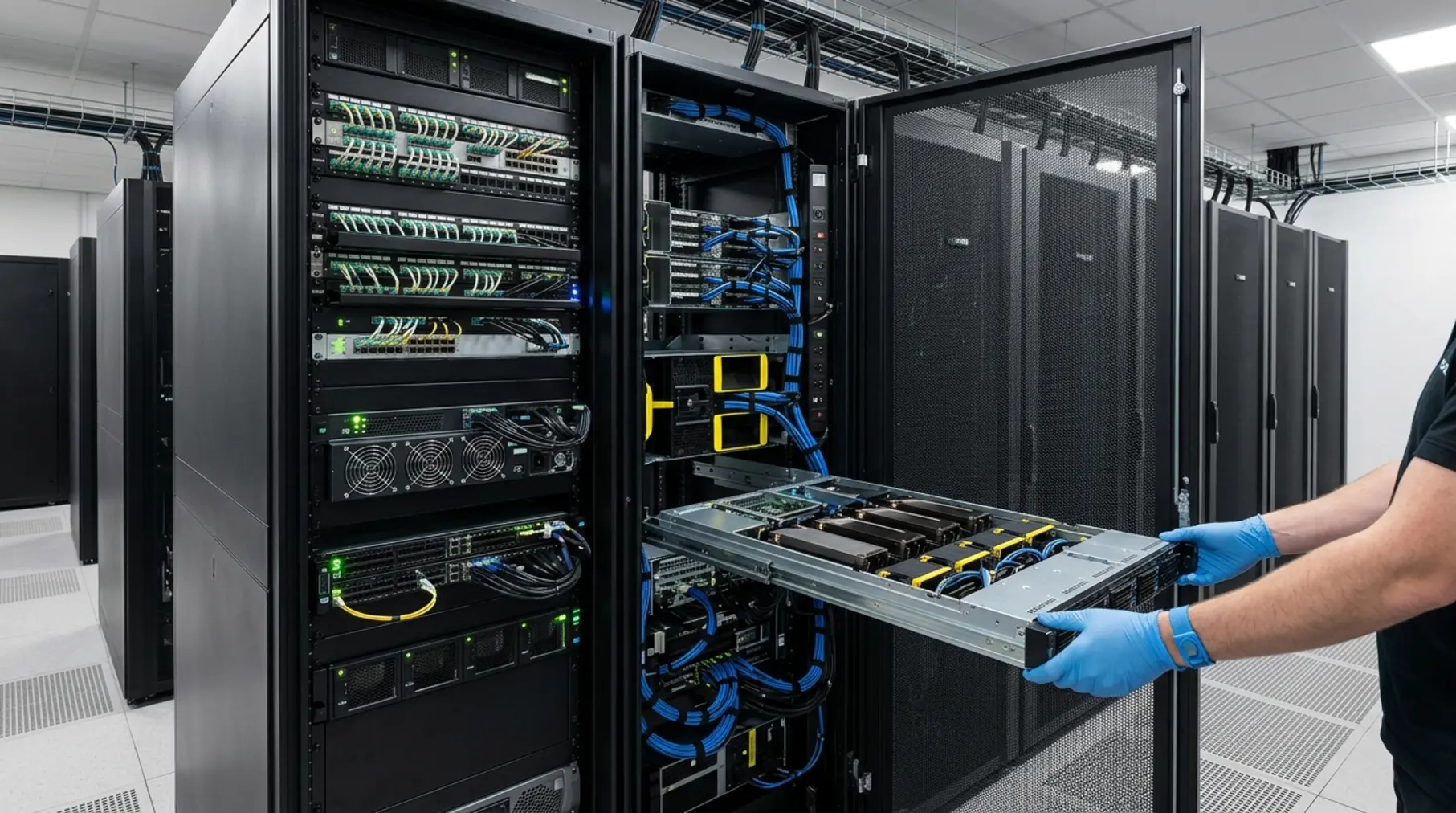
ESD-Safe Extraction from GPU Servers
Work to a step-by-step method to protect assets and uptime:
- Schedule a maintenance window and notify stakeholders
- Verify PSU isolation, drain residual charge and confirm chassis indicators are off
- Label all cables, slots and bridge positions for accurate reassembly
- Use grounded wrist straps, ESD mats, antistatic gloves, conductive totes and antistatic bags
- Handle risers, backplates and fasteners per OEM guidance; avoid twisting torque
- Treat PCIe edges, HBM cold plates, NVLink bridges and fan headers as fragile
- For liquid-cooled systems, follow OEM drain/cap procedures and leak-check
- Minimise touch points and record any missing screws or brackets for grading

This image was generated with AI and may not always represent the product or service exactly.
Tamper-Evident Packing and Secure Logistics
Use packaging that controls ESD, shock and moisture:
- Antistatic bag, then foam-in-place or custom-cut ESD-safe foam in a rigid double-wall box
- Add desiccant and a humidity indicator card; protect corners and protrusions
- Seal with numbered tamper seals and photograph the device, packaging and seal number
Harden transport to protect value:
- Apply shock and tilt indicators on master cartons or pallets
- Use vetted carriers, timed collections and temperature control where required
- Insure to full replacement value and consider dedicated or GPS-tracked vehicles for high-value moves
- On arrival, perform intake checks against seal numbers and photos
For transport risks and mitigations, see how to avoid security issues when recycling network hardware.
NIST SP 800-88 Data Sanitisation for GPU Projects
GPUs rarely store user data, but nearby servers and NVMe/SSD/HDD do. Apply NIST SP 800-88 methods by data classification and device type:
- Clear: logical overwrite with verification
- Purge: crypto erase for self-encrypting drives or vendor tools that meet SP 800-88
- Destroy: physical shred (HDD/SSD) where reuse is not permitted; note that degaussing is HDD-only
Sanitise management planes as part of hygiene and security:
- Reset BMC credentials (e.g., iDRAC/iLO/Redfish), clear logs and remove user accounts/keys
- Where relevant, reflash vBIOS to a vendor image and document versions
- Inventory NIC MACs and management IPs used
Certificates should include device serials, method, tool versions, operator, date/time and validation results.
Testing, Grading, and Provenance Tracking
Bench test each GPU to confirm health and performance:
- Confirm POST and PCIe detection
- Run compute and memory stress with ECC monitoring; record any artefacts or error counts
- Check fan control, thermal curves, power draw and acoustics at load and idle
Grade and document:
- Condition grade (A/B/C) based on thermals, stability and cosmetics
- Accessories present (bridges, power leads, brackets, shrouds)
- Provenance pack: serial capture, test logs, photos, seal logs and full audit trail
If you plan to buy, read should I buy refurbished IT hardware for what to expect.
Reuse vs Recycling: Choosing the Right Route
Select the route using device health, generation, VRAM errors, demand and any remaining warranty:
- Prioritise reuse with clear warranty tiers and transparent test results
- If reuse is not viable, harvest parts (coolers, fans, heatsinks, brackets) to protect yield
- For end-of-life units, use a WEEE-compliant AATF with documented downstreams and recovery reporting
Feed outcomes into ESG metrics and residual value analysis. For context, see the growing problem of electronic waste.
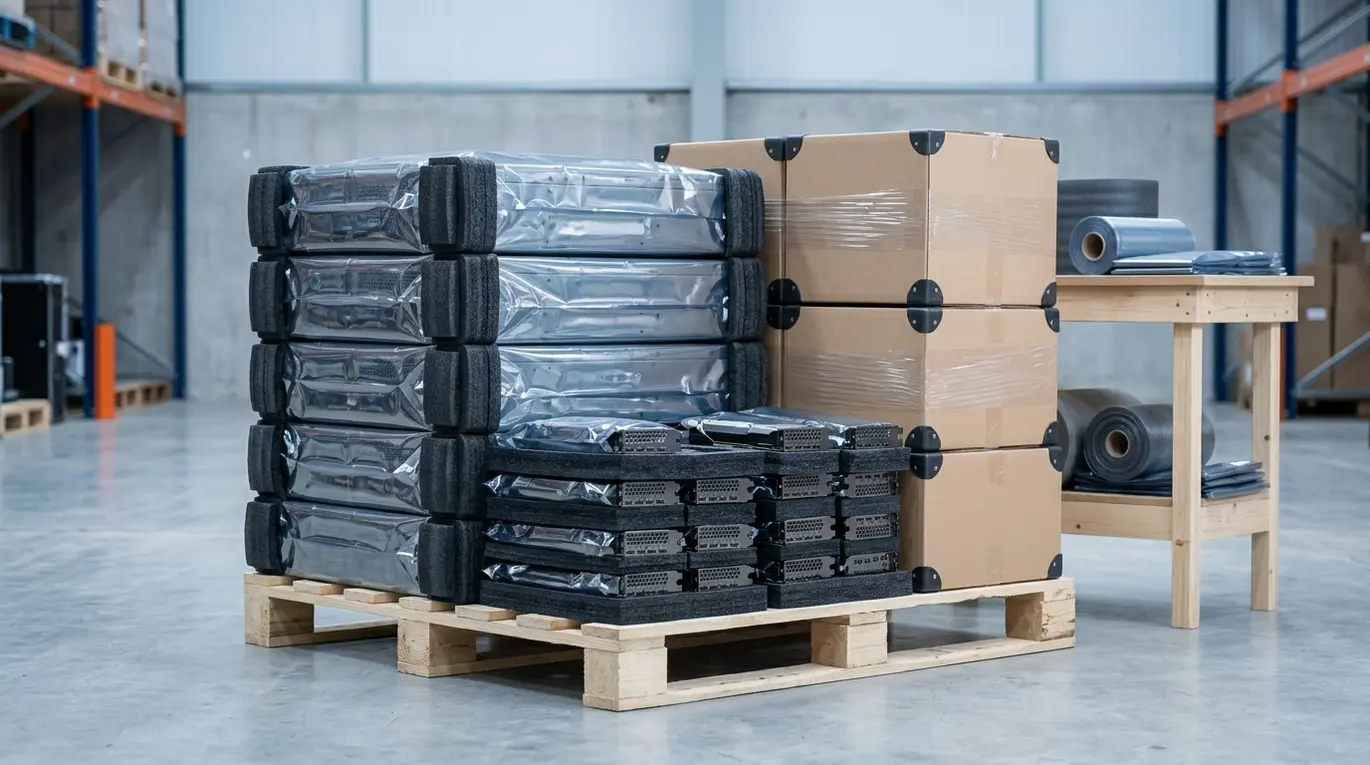
This image was generated with AI and may not always represent the product or service exactly.
Compliance, Reporting, and Audit Trail
Maintain a complete paper trail:
- Intake inventory, seal numbers and transit photos
- Arrival checks, NIST certificates, test reports and grading sheets
- Chain-of-custody signatures and time-stamped handovers
Align records with GDPR, WEEE and internal audit needs (e.g., ISO 27001 control evidence). Offer exportable packs in PDF and CSV for procurement, infosec and finance. Map certificate fields to policy controls so stakeholders can verify each stage quickly, and retain records in line with corporate policy.
Project Delivery Playbook and SLAs
Typical schedule (adjusted for access and batch size):
- Audit: days 1–3
- Extraction and packing: 30–80 GPUs/day per site team
- Transit: 1–3 days
- Sanitisation and testing: 2–5 days
- Remarketing: from day 7, faster with pre-approved price bands
Operate under RAMS, permits-to-work, PPE, ESD checks and hot/cold aisle rules. Set SLAs for response time, extraction rate, report turnaround and payment windows for buybacks. Use a simple RACI so client IT, facilities and the ITAD team know who owns each hand-off.
What to Look for in a GPU ITAD Partner
Choose a partner with proven controls, tooling and reporting. Ask for sample deliverables and references from similar sites. Validate training and calibration records.
- ESD-certified engineers and a clean handling area
- Tamper-evident process and secure, insured logistics
- NIST 800-88 tooling with verifiable sanitisation records
- Vetted downstreams, WEEE compliance and AATF partnerships
- Relevant certifications: ISO 9001/14001/27001/45001 and ADISA (where applicable)
- Proven provenance packs and fast report turnaround
For selection guidance, see what is ITAD and how do I choose my supplier.
How Equipment HQ Delivers GPU Decommission Projects
Equipment HQ provides certified engineers, short lead times and on-site ESD-safe extraction. We pack with tamper seals, manage secure logistics, and deliver NIST 800-88 sanitisation with full audit trails and certificates.
We grade and test for remarketing, offer warranty-backed stock and make rapid purchase offers for buybacks. To scope your project or discuss targets, contact Equipment HQ or explore our ITAD services for businesses and the latest updates on our blog.
FAQs
Do GPUs hold customer data?
GPUs typically do not store user data. The hosts and attached storage do. We still sanitise management planes and firmware for hygiene and security.
How long does a 50‑GPU decommission take?
Most sites complete audit, extraction and packing in 1–2 days, with testing and reporting in a further 2–4 days. Lead time depends on access and bench capacity.
What certificates will we receive?
NIST sanitisation certificates, chain-of-custody logs, test reports, grading sheets and photo evidence. Each record includes serials, dates and operator details.
What packing standard do you use?
Antistatic bag, custom ESD-safe foam, rigid double-wall box, desiccant and humidity card as baseline. Boxes are sealed with numbered tamper seals, with shock and tilt indicators.
What if a GPU fails testing?
We re-test to confirm, then decide on parts harvest or WEEE recycling. You receive a report with findings and the proposed next step.
Can you buy back our hardware?
Yes. Equipment HQ provides fast purchase offers based on health, age and demand. Payment is made to agreed SLAs once testing and provenance checks complete.