

Why A Defensible ITAD Record Matters
A defensible IT asset disposition (ITAD) record is a complete, time-stamped audit trail for every asset. It shows what was collected, how it was handled, how data was sanitised or destroyed, and the final outcome. It must withstand internal audit and external scrutiny. Information security, audit, ESG, and legal teams rely on it to evidence compliance, reduce risk, and support reporting.
In the UK, align with UK GDPR for personal data, Duty of Care and WEEE obligations for waste, and accepted ITAD benchmarks such as NIST 800-88 and ADISA standards. Keep documentation precise, serial-number linked, and date stamped. For governance detail, see our guidance on GDPR compliance and the wider case for responsible disposal in the environmental impact of IT waste and how ITAD can help.
Start With The Audit: Build The Asset List
Capture at intake: asset ID, make, model, serial number, device type, storage type and capacity, asset tag, user or department, location, data classification, condition, power-on status, accessories, and notes. Attach clear photos of the asset tag and serial plate. Assign a unique asset ID and use it to link all photos, reports, and certificates to the same unit.
Example (text): AssetID A000123; Type Laptop; Make Dell; Model Latitude 5420; S/N ABC1234; Storage 512GB SSD; Tag UK-IT-9981; User Finance; Location London DC; Class Confidential; Condition Fair; Power-On Yes; Acc PSU; Notes Broken hinge. For disposal route context, see IT hardware disposal options explained.
Serial Numbers And Unique Identifiers
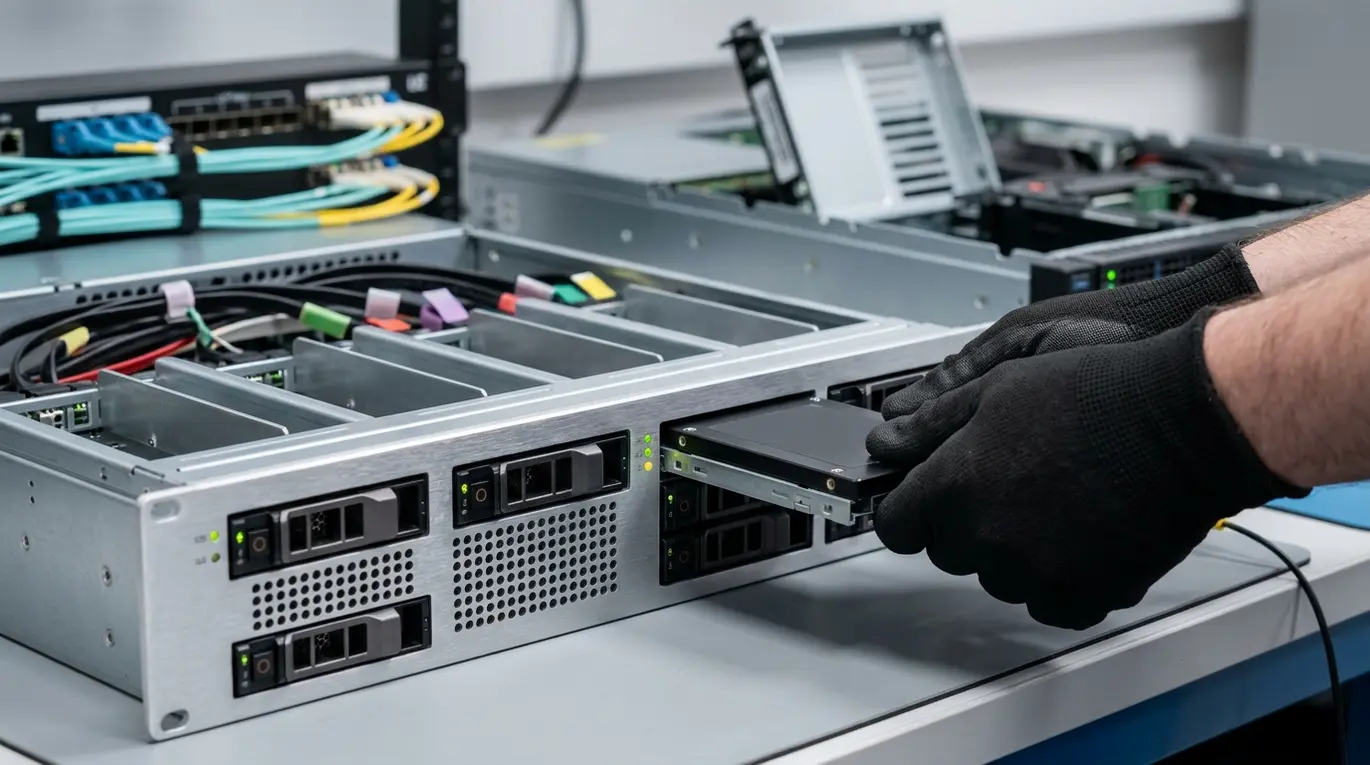
Map identifiers by device: laptops/desktops (manufacturer S/N, service tag), servers (chassis S/N plus drive and PSU S/Ns), storage (HDD/SSD S/N), mobiles/tablets (IMEI/MEID), and networking (chassis/module S/N, MAC). Use handheld scanners, intake software, MDM, or scripted pulls to capture at scale and cut typing errors.
Log unreadable labels as exceptions. Take high-resolution photos and note any missing or damaged labels. Maintain a reconciliation sheet for duplicates and unknowns with actions, dates, and outcomes. For network hardware specifics and data risks, see how to avoid security issues when recycling network hardware.
This image was generated with AI and may not always represent the product or service exactly.
Chain Of Custody (CoC): Prove Control End-To-End
Record collection details: date and time, site address, named staff, ID checks, container counts, seal numbers, photos at handover, vehicle registration, GPS logs, and signatures. This evidences when responsibility passed to the ITAD provider and the condition and quantity at that point.
On receipt, log weigh-in, counts, and condition. Store devices in restricted zones with CCTV and access control. Document exceptions such as broken seals or count mismatches, add root cause and resolution, and obtain supervisor sign-off. This closes gaps auditors look for.
Data Sanitisation: Reports That Stand Up To Audit
Wipe when media is healthy and reuse is planned; destroy when media is faulty, non-wipeable, or policy requires it. For wiping, state the method against NIST 800-88 (Clear or Purge), the tool used, serial-level pass or fail, verification checks (for example SMART, hash or post-wipe scans), technician, date, and site. Produce a signed erasure report per batch or device.
For destruction, record the method (for example degauss, shred), equipment IDs, date and time, shred size, batch photos, and weigh tickets. Include QC sampling rates, any rework, final outcomes, and a link back to the asset ID. Keep failures and re-runs visible.
Certificates: CoE And CoD That Link To Assets
Certificates of Erasure (CoE) and Certificates of Destruction (CoD) should include client details, collection and processing dates, methods and standards used, site address, technician name and authoriser, and a unique certificate ID. Reference serial numbers on the certificate or link securely to the asset list with a checksum.
Use tamper-evident formats such as PDF/A with digital signatures. Store certificates with the related erasure or destruction reports. Retain according to corporate policy and legal hold rules; many organisations keep ITAD records for six years or more.
Environmental And ESG Reporting You Can Defend
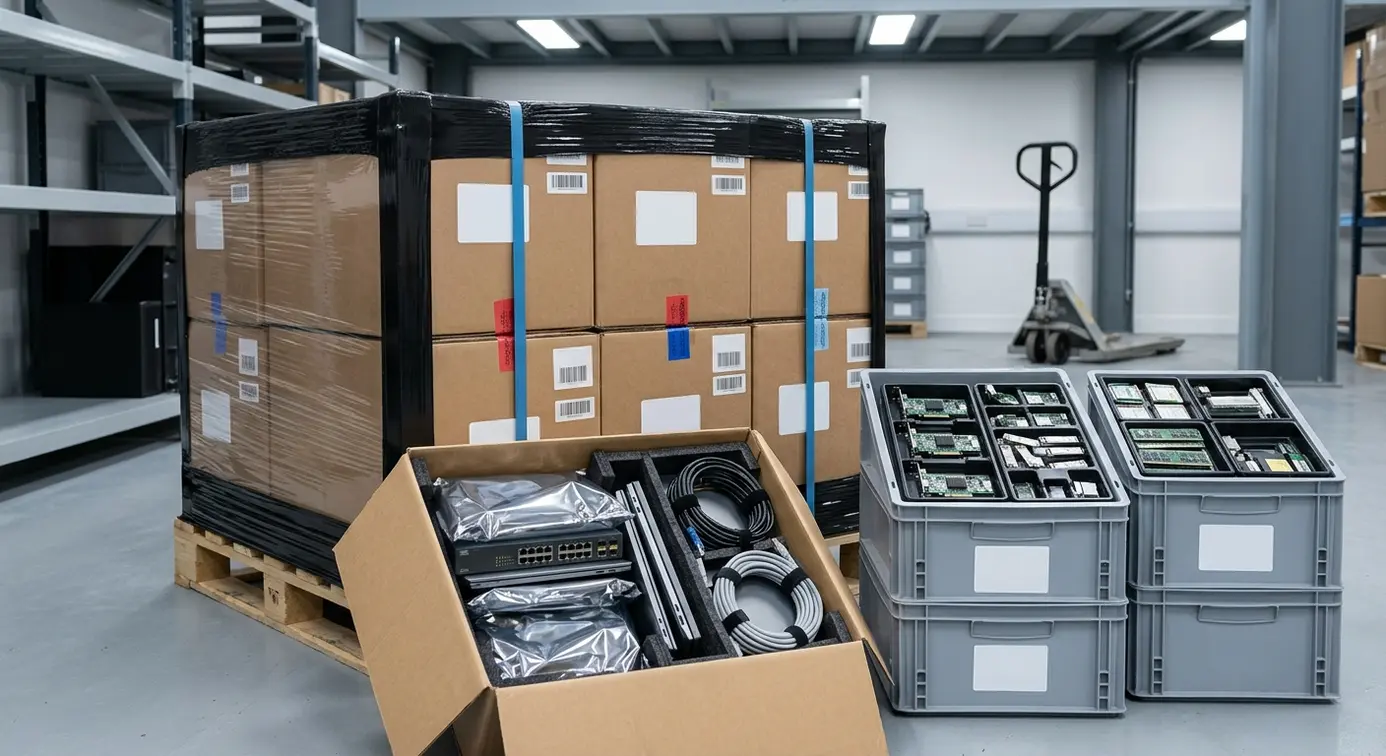
Report total and per-stream weights, WEEE categories, and the split between reuse, recycling, and parts harvesting. Flag hazardous components and batteries. Provide Waste Transfer Notes and consignment notes where applicable, plus downstream processor declarations to meet Duty of Care.
Show carbon and landfill diversion metrics with the method and emission factors cited. Avoid vague claims. Present reuse rate, recycling rate, and CO2e savings side by side. For duty-of-care guidance on downstream routes, see recycling electronic waste hardware disposal.
This image was generated with AI and may not always represent the product or service exactly.
Secure Logistics And On-Site Options
Choose on-site erasure when data is highly sensitive, devices are subject to export controls, or networks are air-gapped. Keep evidence of staff vetting and NDAs, site access logs, room setup photos, and tamper seal numbers before and after work. Record serial-level erasure results as normal.
For transport, use GPS logs, route snapshots, time-stamped arrival photos, and sealed container counts. Capture vehicle registration, driver ID, and any incident notes. These controls prove continuous custody and reduce challenge risk.
Refurbish, Resale, And Redeploy: Proving Functional Quality
Evidence reuse with standardised test plans per device type: power-on, CPU/RAM checks, storage SMART/bad block tests, display and keyboard, ports, and network. Add burn-in where relevant. Record BIOS/UEFI resets, firmware updates, and post-wipe scans confirming no data remnants.
Apply clear grading (A/B/C) with criteria and photos. State warranty terms and any parts harvesting with serials. This protects buyers, supports asset value, and shortens redeployment lead times.
Assemble The ITAD Evidence Pack
Use a simple folder tree: 01_Audit (asset list, photos), 02_CoC (collection notes, GPS logs), 03_Sanitisation (erasure reports, destruction photos), 04_Certificates (CoE/CoD), 05_ESG (weights, WEEE, carbon method), 06_Exceptions (discrepancy logs). Name files with asset ID, date, and version.
Cross-reference everything by asset ID and certificate ID. Store in a secure, shared platform with role-based access, MFA, and retention aligned to policy and legal holds. Keep a short readme that explains the structure for auditors.
Common Gaps We Find And How To Fix Them Fast
Missing serials: attempt secondary scans, inspect with magnification, and upload high-resolution photos. If still unknown, log the exception, note the location of removal, and isolate the device until resolved or destroyed with proof.
Count mismatches: reconcile against weigh tickets and CCTV stills. Incomplete chain of custody or erasure proof: raise a corrective action, perform rework or reissue certificates, and add supervisor sign-off. Keep the exception register current and linked to final outcomes.
Working With The Right ITAD Partner
Assess certifications, erasure tools and standards, security controls, staff vetting, insurance, downstream audits, and sample deliverables (asset list, chain of custody, erasure reports, CoE/CoD, ESG pack). Set SLAs and KPIs for turnaround, pass rates, discrepancy closure, and reporting timelines.
Equipment HQ provides certified engineers, secure wiping to NIST 800-88, multi-brand knowledge, tested refurbished hardware, and clear documentation. See our ITAD services for businesses and our guide on what is ITAD and how do I choose my supplier. Speak to us to design a defensible, efficient process.
FAQs
What Evidence Proves Data Was Erased Properly?
A serial-level erasure report citing the NIST 800-88 method, tool, pass or fail, verification checks, technician, date, and site. Include signatures and a link to the asset list.
How Long Should We Keep ITAD Records?
Follow corporate retention and legal holds; many organisations keep records for six years or more. Keep certificates, erasure reports, chain of custody evidence, and ESG documents together.
Can We Do On-Site Wiping And Still Get A CoE?
Yes. Capture the same serial-level data and sign-offs on site. Keep access logs, staff vetting, room photos, and tamper seal records.
How Do We Handle Devices With Missing Serials?
Log an exception, add high-resolution photos, attempt secondary scans or system pulls, and isolate the unit. If unresolved, destroy with documented proof.
What ESG Metrics Do Auditors Usually Ask For?
Total and per-stream weights, WEEE categories, reuse and recycling rates, hazardous fractions, and CO2e method with factors. Include Duty of Care notes.
What SLAs Should We Set With An ITAD Partner?
Agree turnaround time, erasure pass rates, discrepancy closure time, reporting delivery, and certificate accuracy. Include escalation paths and penalties.