

What This Request‑For‑Bids Playbook Delivers
A Request‑for‑Bids (RfB) is a sealed‑bid, time‑bound competition for a defined set of assets. Bidders submit final prices by a fixed deadline against named lots, clear grading, and stated terms. It suits bulk server disposals where transparency, speed, and auditability are essential.
Use an RfB when several specialist buyers exist and you want a defensible market test. Compared with a single broker buyout, the rules are consistent, bids are comparable, and the audit trail is strong. Target outcomes are simple: highest net recovery after all costs, safe data handling, fast clearance, and audit‑ready records. See our guide to a defensible ITAD record.
Assign roles early and document who does what:
- Asset Owner
- ITAD Lead
- Legal/Procurement
- Site Operations
- Finance
Bidders need clean lots, consistent grading, evidence packs, and a clear reserve pricing logic. Equipment HQ can run or support the process via our ITAD services for businesses.
Build An Audit‑Ready Asset List And Data Scope
Capture a consistent, verifiable inventory. Minimum fields:
- Make/Model; Asset Tag and Serials; Rack/Row/Location
- CPU model/count; RAM size/type; populated/empty DIMM slots
- Storage: drive type and count (HDD/SSD/NVMe); caddies/trays present
- Controllers and add‑ins: NICs/HBAs; mezz/GPU/TPMs; RAID type
- Chassis: PSUs; fans; rails; bezels
- BMC status; BIOS/BMC/firmware versions
- Accessories included (rails, bezels, brackets, cables)
- Cosmetic condition and known faults
Define sanitisation per media type under NIST 800‑88 or HMG, with evidence (per‑serial erasure reports and signed chain of custody). Compare methods in our plain‑English guide to data erasure standards. Preserve access: reset BMC, default BIOS, and document any logins. Manage site risks: H&S briefings, ESD handling, photo rules, escorting, and power‑on windows. Ask us for the downloadable checklist and a sample evidence pack. For custody proof, see ITAD chain of custody.
Assemble The Bid‑Ready Document Pack (Templates)
Build a clear, complete pack:
- RfB cover letter and key dates
- Bidder instructions and Q&A form
- Lot schedule (CSV) and required asset‑list fields
- Bid sheet (unit and lot pricing)
- Inspection/testing protocol and site rules
- Terms & Conditions
- Reserve pricing policy annex
- Testing and grading annex
- Sample erasure certificate format
Set submission mechanics: a sealed email inbox or an e‑procurement portal. State bid validity (e.g., 14–30 days) and how clarifications are handled and logged. Keep a numbered addenda register for scope changes. Want our editable templates? Request the full pack from Equipment HQ.

This image was generated with AI and may not always represent the product or service exactly.
Choose Lot Strategies That Maximise Recovery
Whole‑system or rack lots clear fast with fewer touches and simpler logistics. Parts‑out lots can lift gross value for high‑demand items but add handling time and costs. A hybrid approach typically wins: complete servers where demand is strong; separate high‑value components where the market rewards it.
Set split rules for DDR4/DDR5 DIMMs, NVMe drives, NICs/HBAs, rails, trays, and GPUs. Use anti‑cherry‑picking bundles (e.g., GPUs/NICs remain with hosts unless a higher reserve is met). Lot by geography to cut freight and enable clear uplift plans. State your policy on missing bezels, trays, and rails to avoid disputes. For DRAM pricing and grading pointers, see server memory buyback, pricing and testing.
Define Grading Rules And The Evidence Standard
Keep grading simple and objective:
- A‑Grade: Fully functional, clean, no faults, complete with rails/bezels.
- B‑Grade: Fully functional with minor cosmetic wear or minor parts missing.
- C‑Grade: Powers on with faults, incomplete, or for parts/repair.
Test and record: POST success; BMC access (iDRAC/iLO); firmware versions; DIMM capacity/SPD read; drive SMART/NVMe health; PSU/fan checks. Evidence packs should include front/back photos, internals, serial labels, BIOS/BMC screenshots, and short boot videos for sample units per lot. Specify packaging: ESD‑safe materials, caddies locked, trays secured, and adequate cushioning.
Set Reserve Pricing With A Net Recovery Model
Source comps: recent market sales, buyback quotes, current memory and storage spot prices, and set realistic scrap floors. Model net recovery by lot: Gross Price – (de‑rack + audit + erasure + packing + freight + buyer fees + site overtime) = Net. Reserves protect your net target, not headline price.
Use dynamic tactics: higher reserves for scarce, hot lots; lower for clearance stock. Consider pay‑by‑line reserves on mixed lots to avoid value leakage. If reserves are missed, stage re‑offers or re‑lotting. For inputs and comps, use our valuation checklist.
Run A Fair, Defensible RfB Process
Operate sealed bids with named conflict disclosures and an anti‑collusion declaration signed by each bidder. Time‑stamp bid receipt and restrict access until opening. Keep a complete, read‑only archive.
Run Q&A windows and publish anonymised answers to all bidders at set times. If scope changes, issue addenda and extend deadlines fairly. Set an evaluation rubric: price‑only, or weighted for price, uplift plan, references, and payment terms. Document tie‑break rules and the approval workflow. Maintain an audit trail of all comms, clarifications, and openings from start to award.
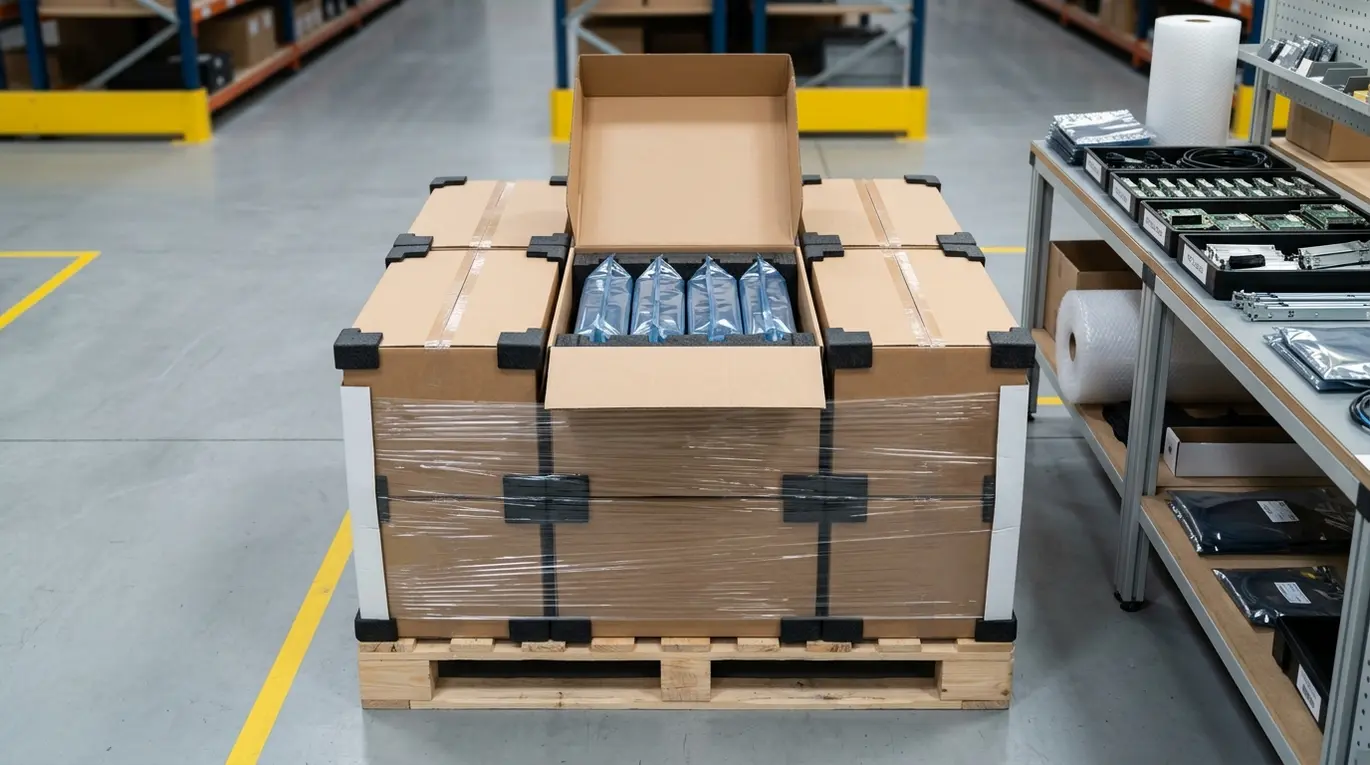
This image was generated with AI and may not always represent the product or service exactly.
Timeline And Controls: Inspection To Uplift
A practical cadence:
- Day 0: RfB issue
- Days 1–14: Q&A window
- 3 days: On‑site inspection/testing slots
- 3–5 days: Bid window after inspections
- 48 hours: Evaluation and award
- 7–14 days: Mobilise uplift
Set rules up front: what can be powered on, permitted tools, and photo policy. For uplift, define booking windows, PPE and H&S requirements, MHE and floor load limits, cable management standards, crate specs, and escorting. Specify handling rules for data‑bearing media and the sign‑off points at room exit and vehicle loading. Build a simple RACI so no milestone is missed.
Post‑Award Execution, Reporting, And Payments
Use a clean handover pack:
- Signed collection notes and serial capture
- Erasure certificates per drive
- Environmental report (weights by stream)
- WEEE documentation
- Photo evidence of palletising and vehicle seals (where relevant)
Define a variance/DOA window (e.g., 7–10 days), the evidence required, and credit or make‑good paths. Cap exposure per lot to avoid open‑ended claims. Tie payments to milestones: deposit on award if needed, balance on removal, and final true‑up on certificate delivery. For large awards, use escrow or bank guarantees. Clarify VAT and any export paperwork before uplift.
KPIs, Dashboards, And Continuous Improvement
Track the right levers:
- Net recovery %
- Cost‑to‑sell %
- Days to clear
- Bid spread and reserve hit rate
- Variance/DOA rate
- Erasure SLA met
- Documentation completeness
Review bidder feedback, common Q&A themes, and inspection turnout. Update the comps library quarterly and adjust reserves and lotting rules to match demand. Small improvements in evidence quality, packaging, or site access can lift both price and speed.
Get Help And Download The RfB Template Pack
Download the full template bundle: cover letter, lot sheet, bid sheet, grading matrix, reserve model, and certificate examples. Equipment HQ can run a pre‑bid audit, deliver certified erasure, and manage uplift with short lead times. Need speed above all? Ask for a cash buyout alternative.
For related guides and resources, explore our blog. Speak to our engineers if you want us to host the sealed inbox, run inspections, or act as independent graders.
FAQs
How Many Bidders Should We Invite?
Four to eight active buyers usually gives a strong spread without overloading admin. Include at least one backup in case of withdrawal.
Can We Allow On‑Site Testing Before Bids Close?
Yes, within controlled windows and rules. State permitted tools, power‑on limits, and photo policy in the inspection protocol.
What Erasure Proof Do Buyers Accept?
Per‑drive erasure reports referencing serials under NIST 800‑88 or HMG, plus chain of custody and certificate sign‑off to complete the record.
What If Reserves Are Not Met?
Use staged re‑offers, re‑lotting, or accept the next best price if it meets the net target. Document the decision and notify all bidders.
How Do You Handle DOA Or Variances?
Set a short claim window with evidence requirements. Agree credit/make‑good paths and cap exposure per lot in advance.
How Quickly Can Equipment HQ Mobilise Uplift?
Typically within 7–14 days from award, faster for urgent clearances. We confirm H&S, MHE, and crate specs before arrival to avoid delays.